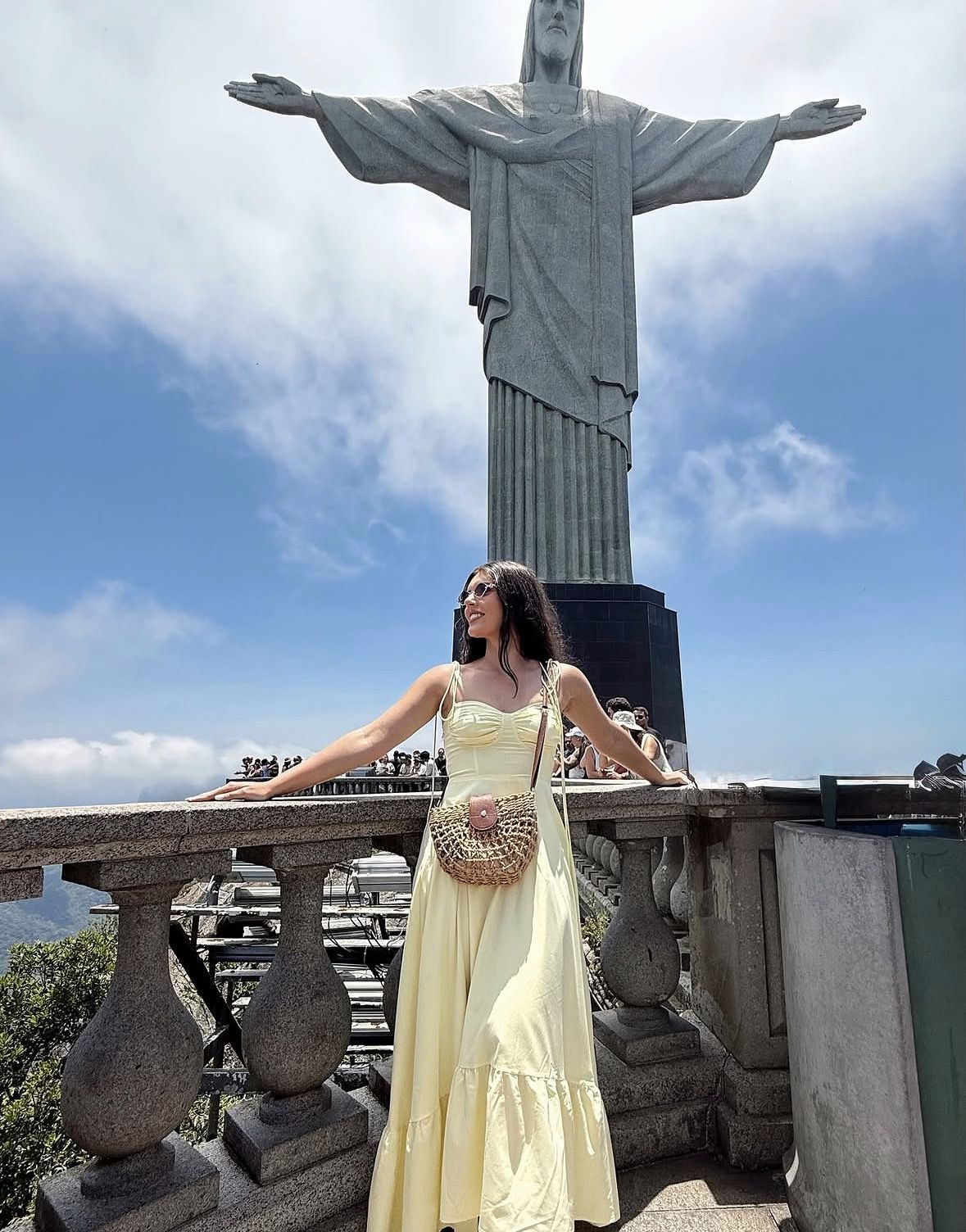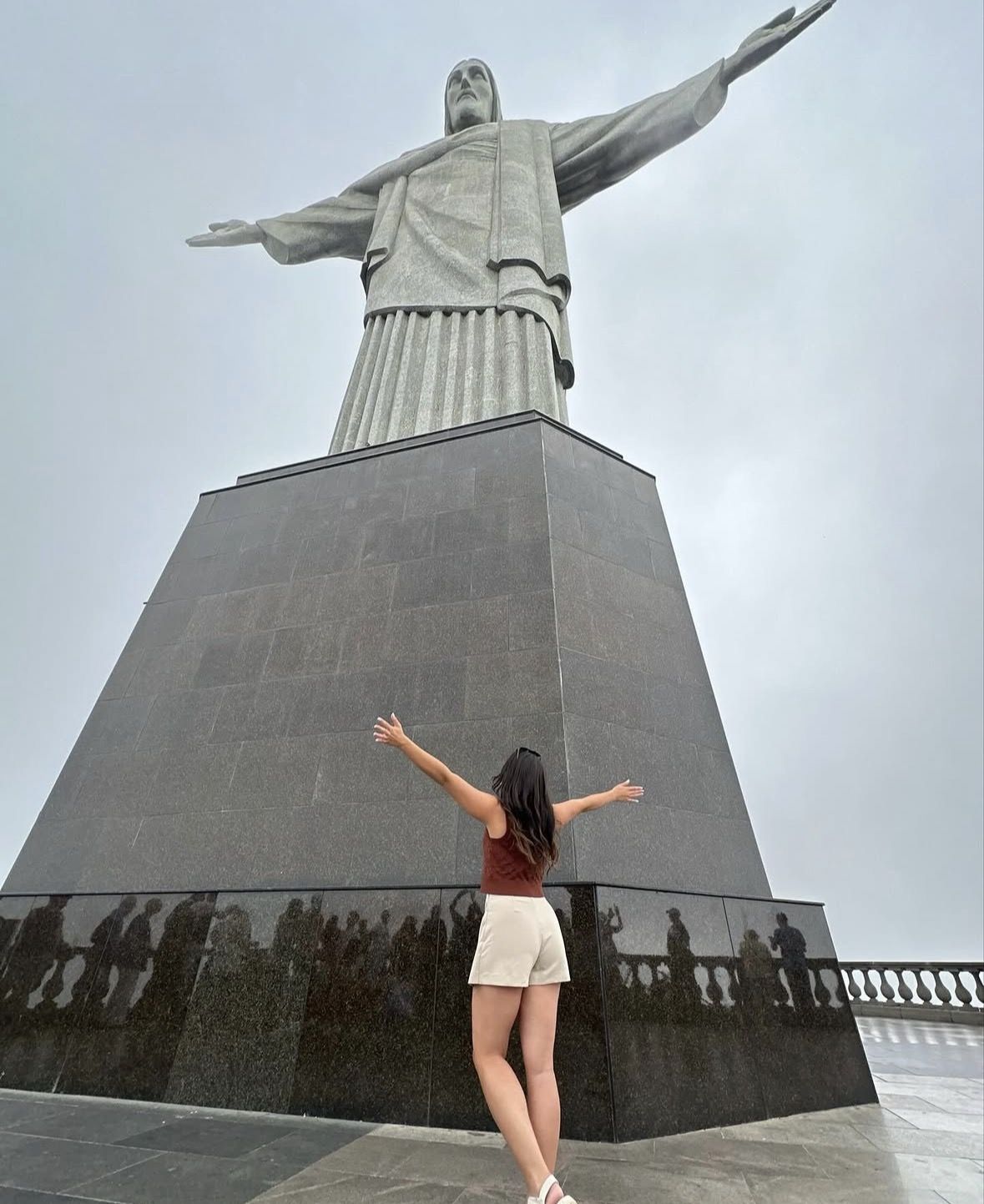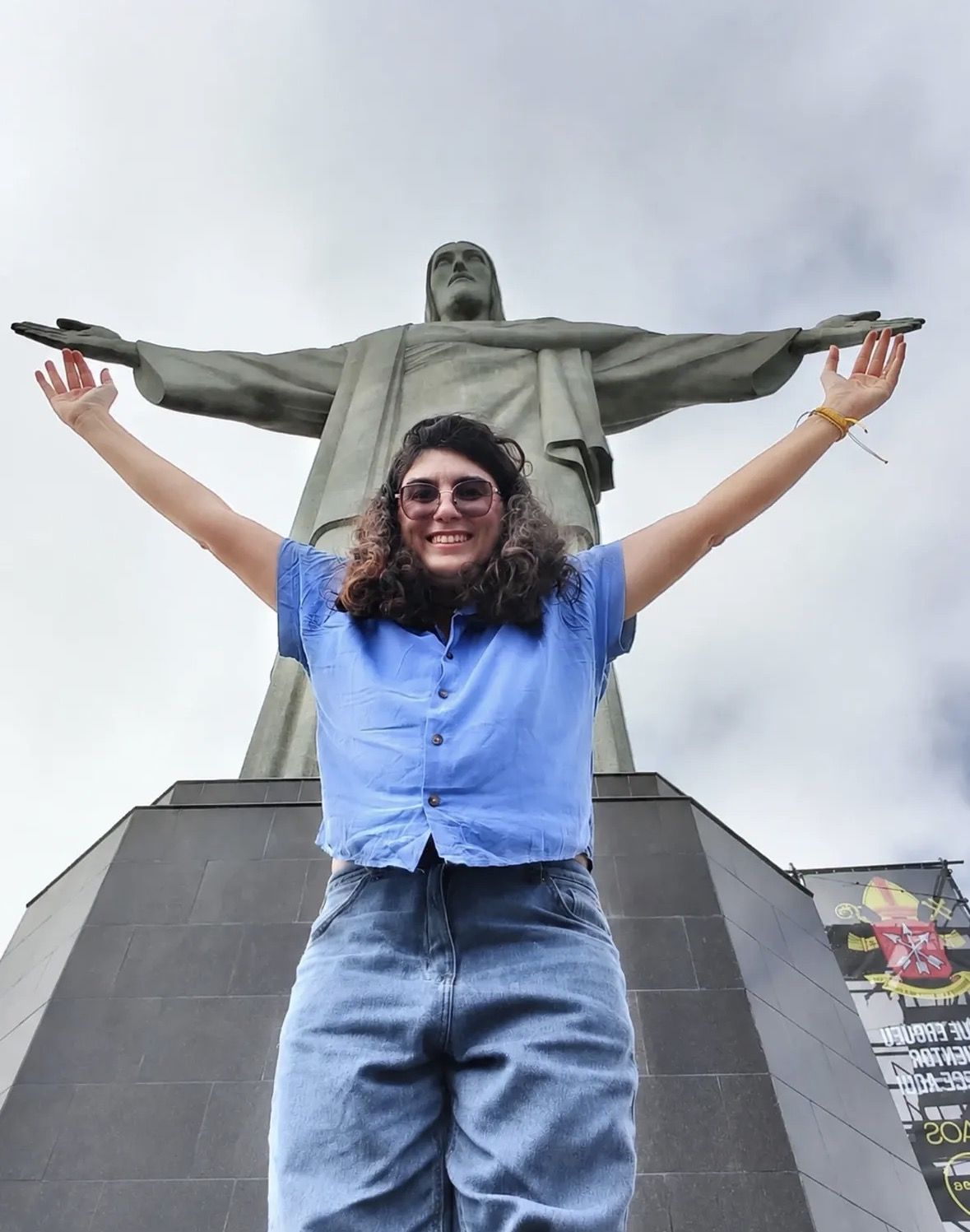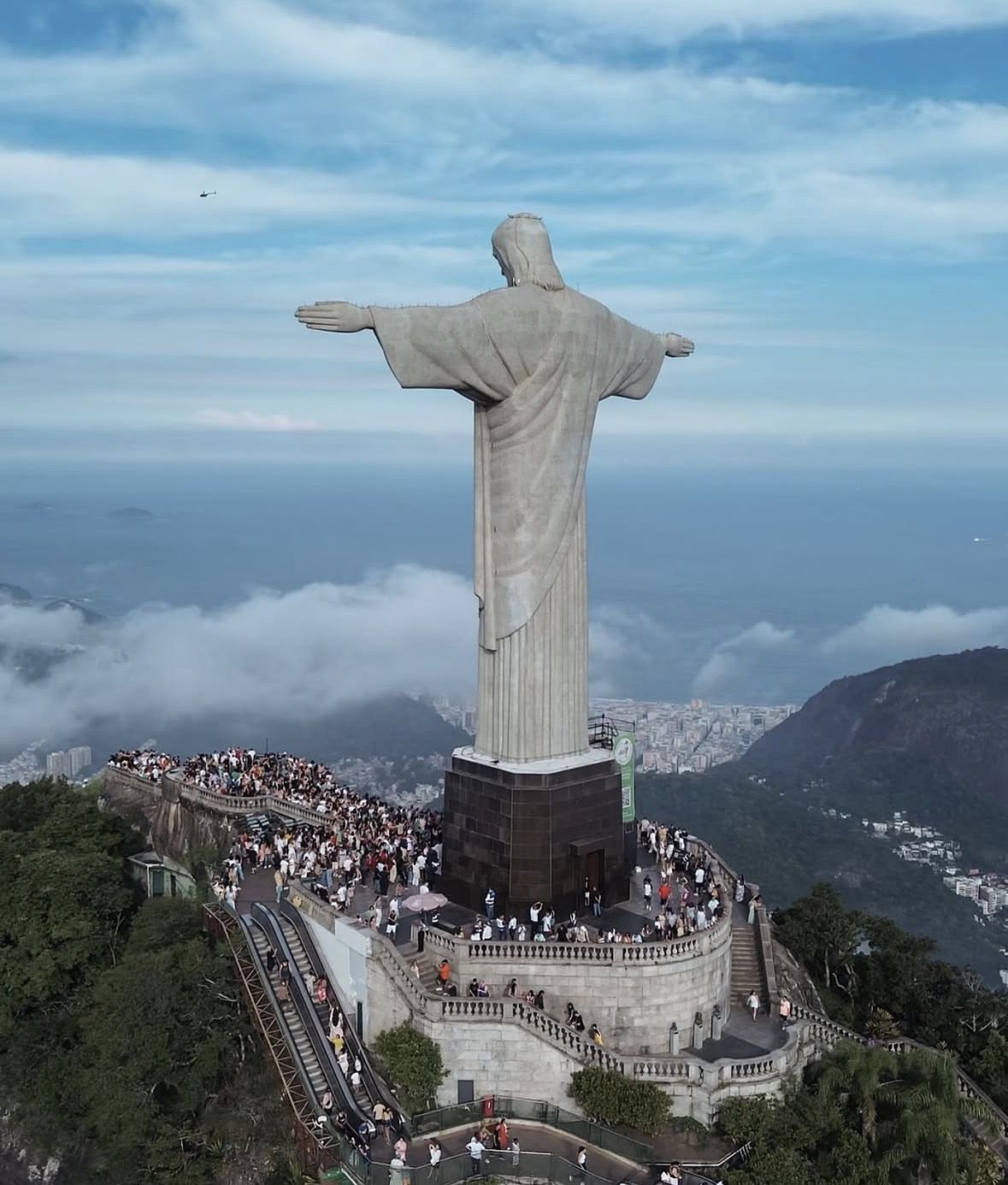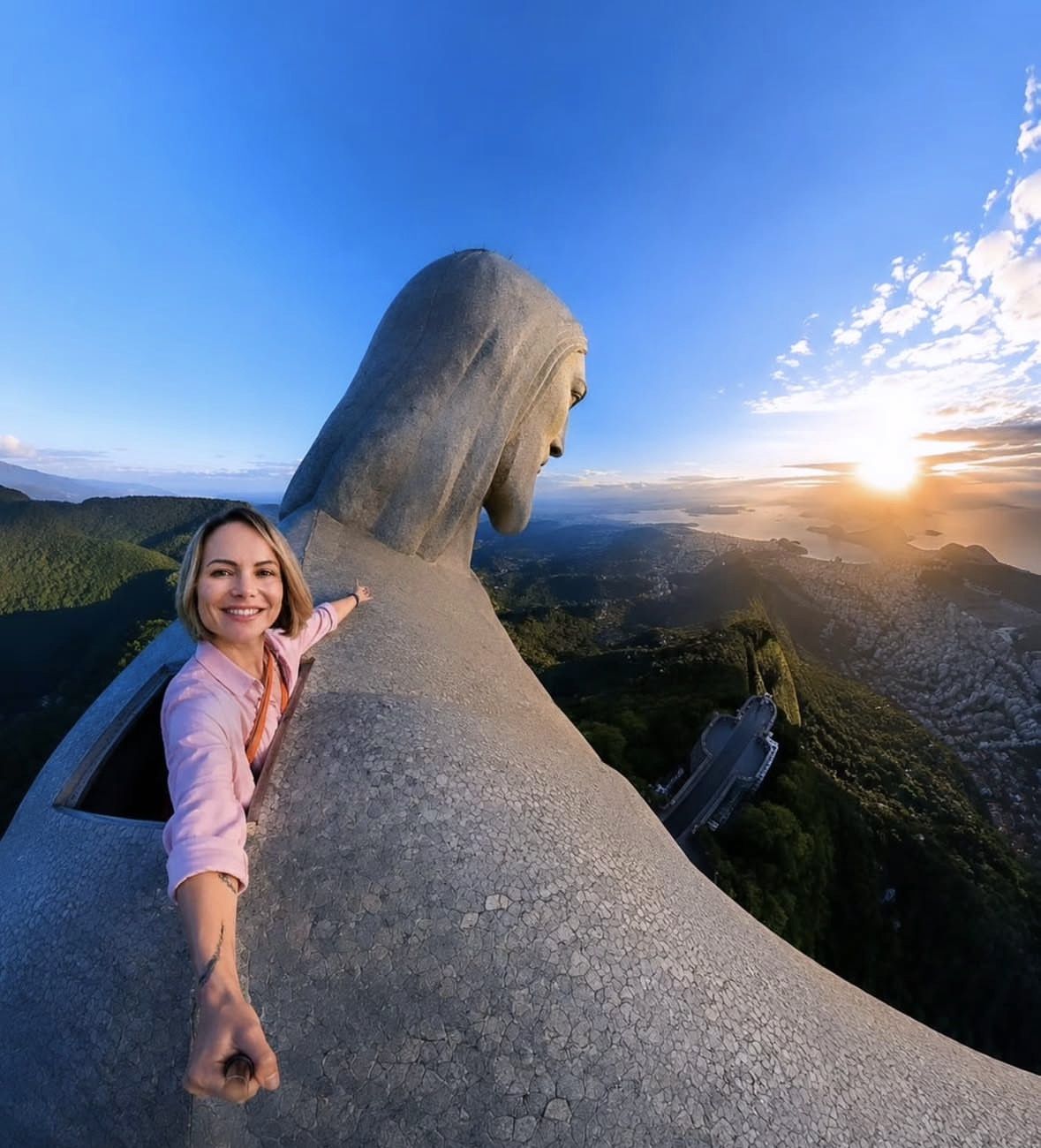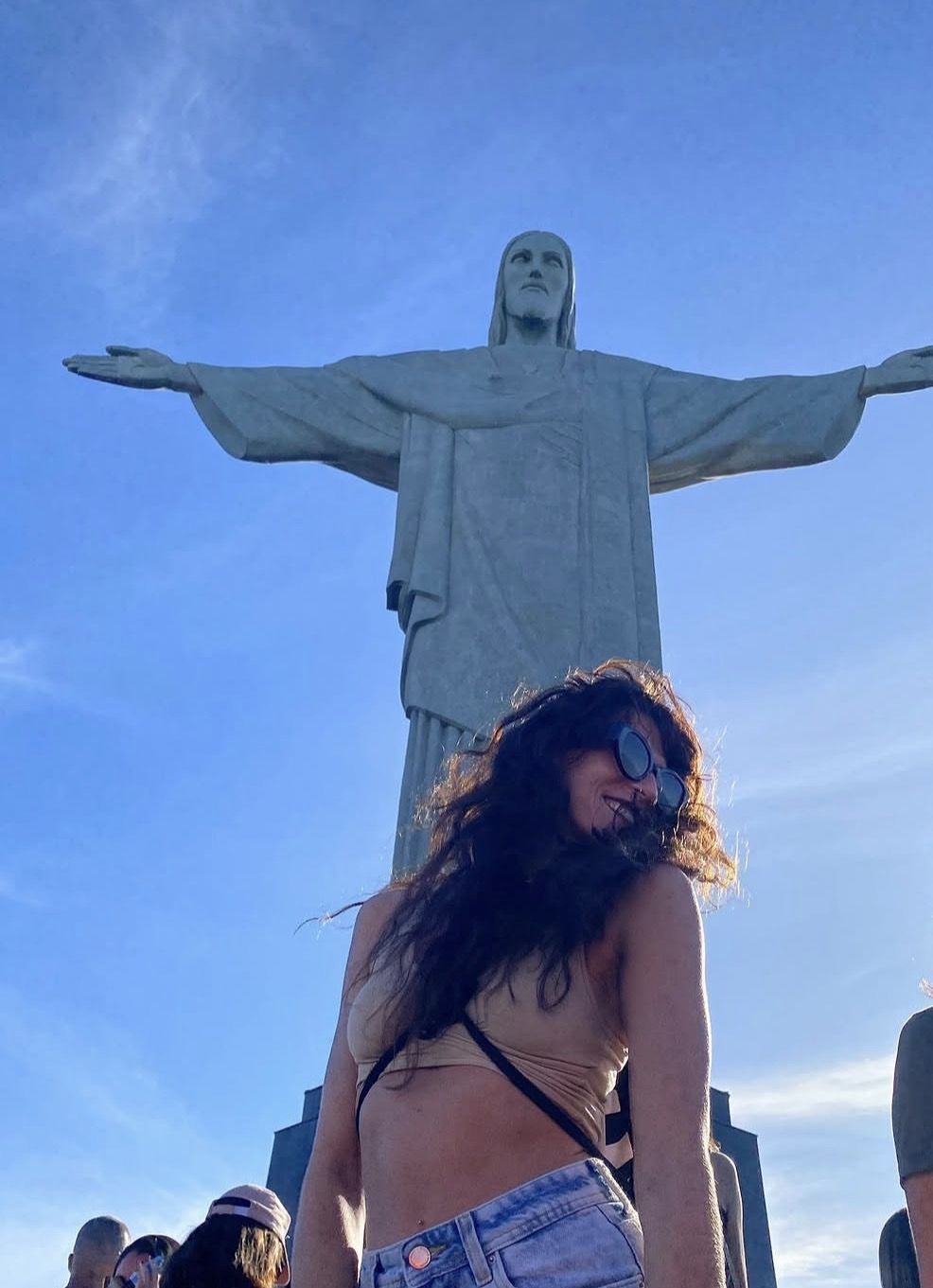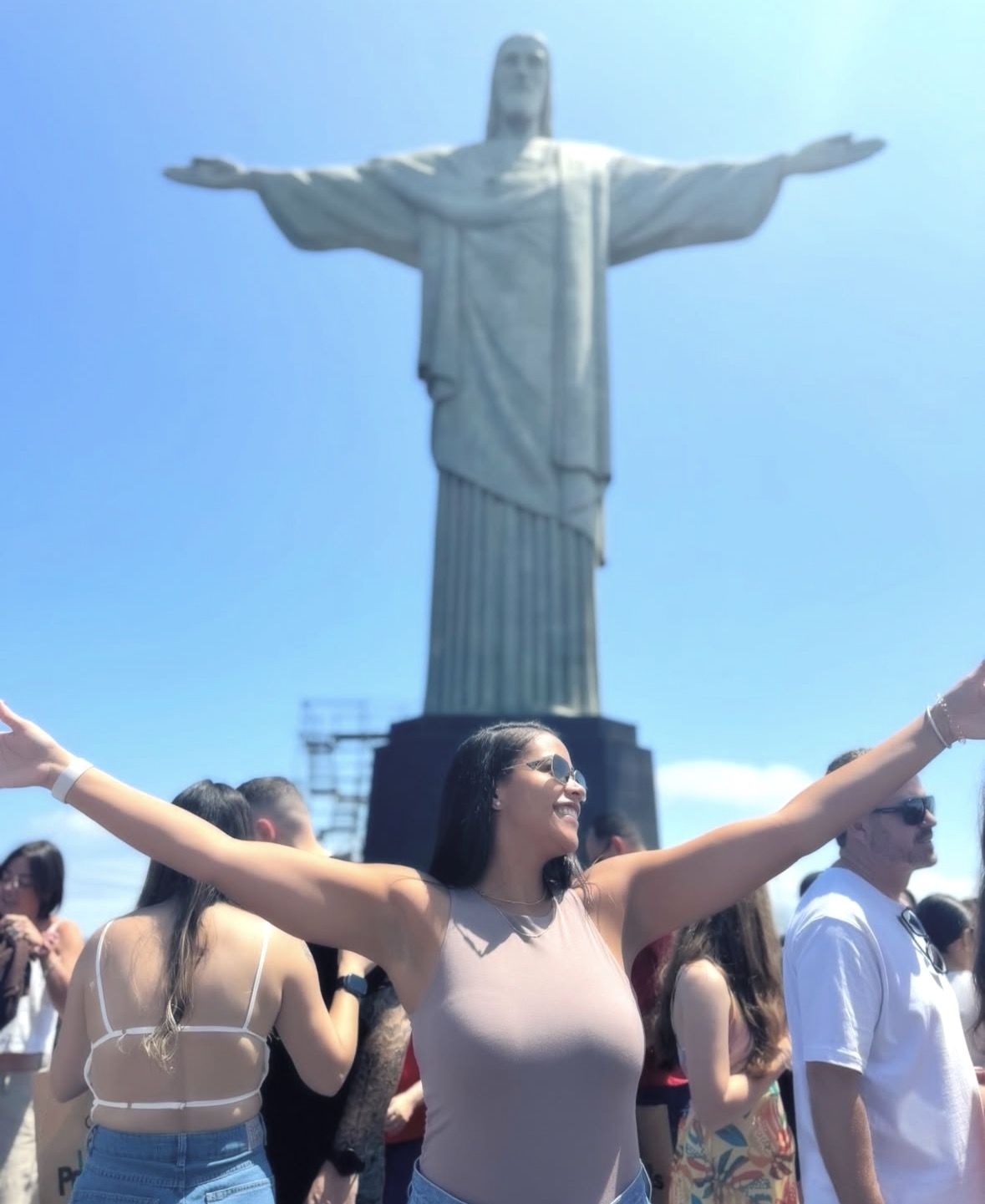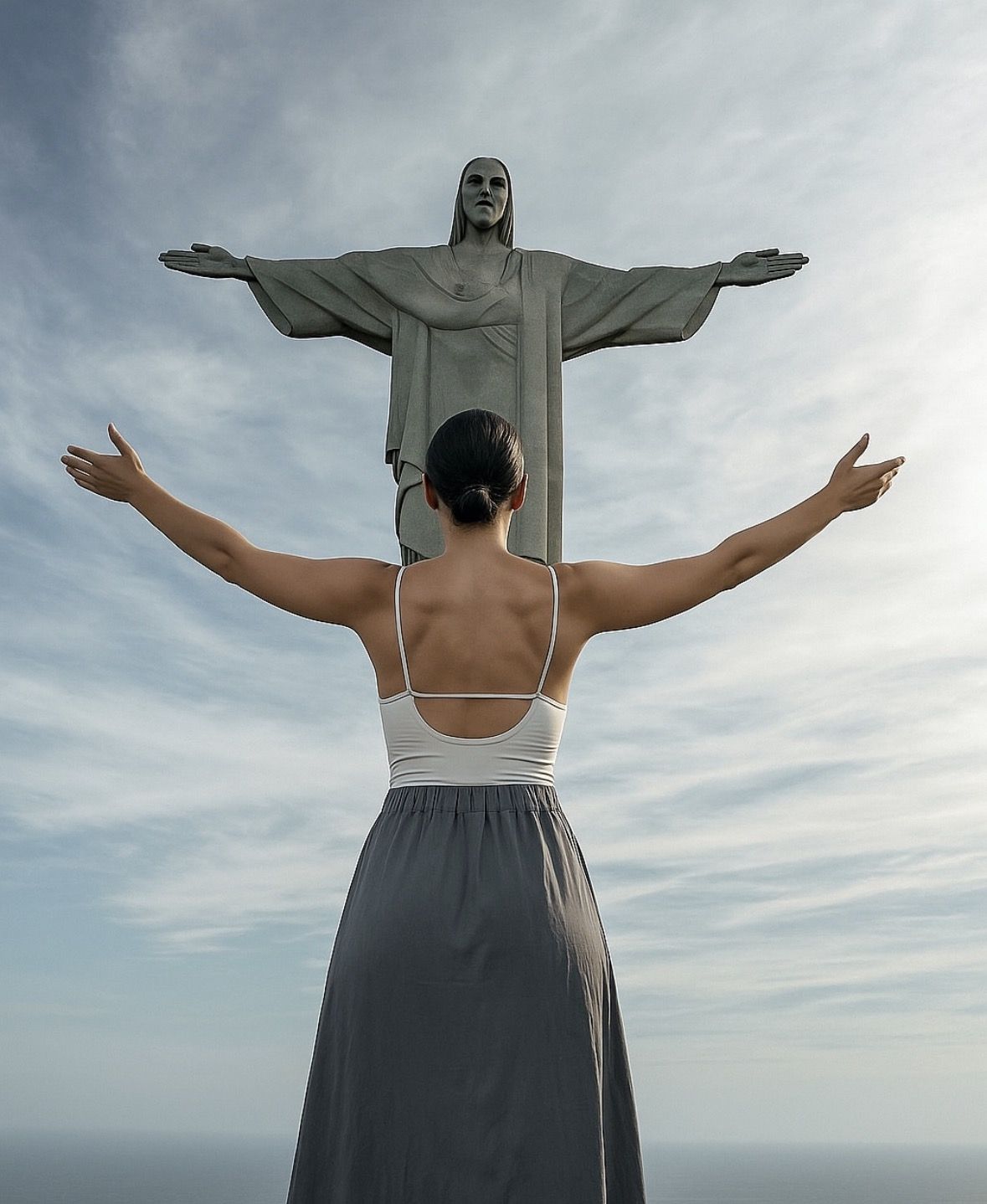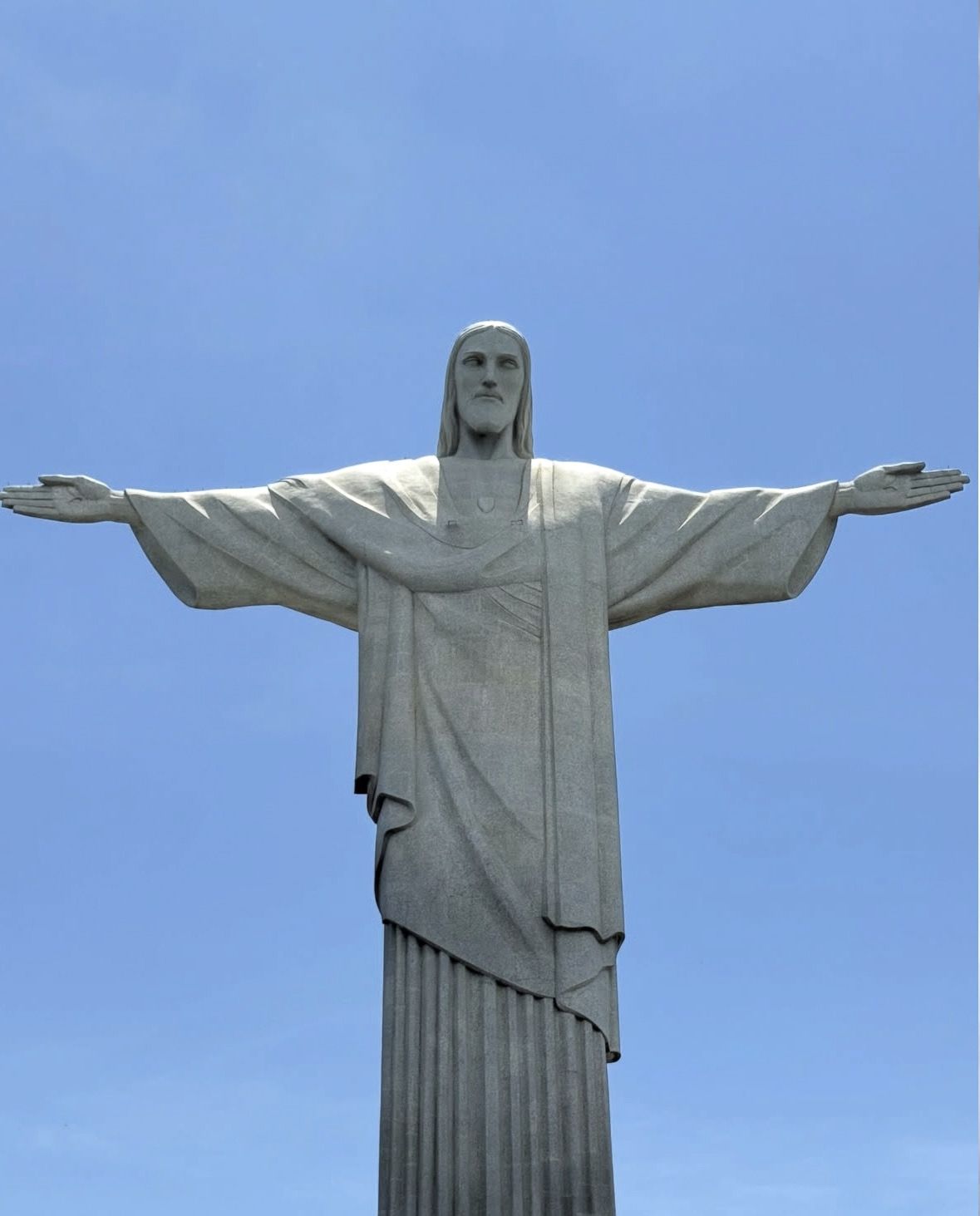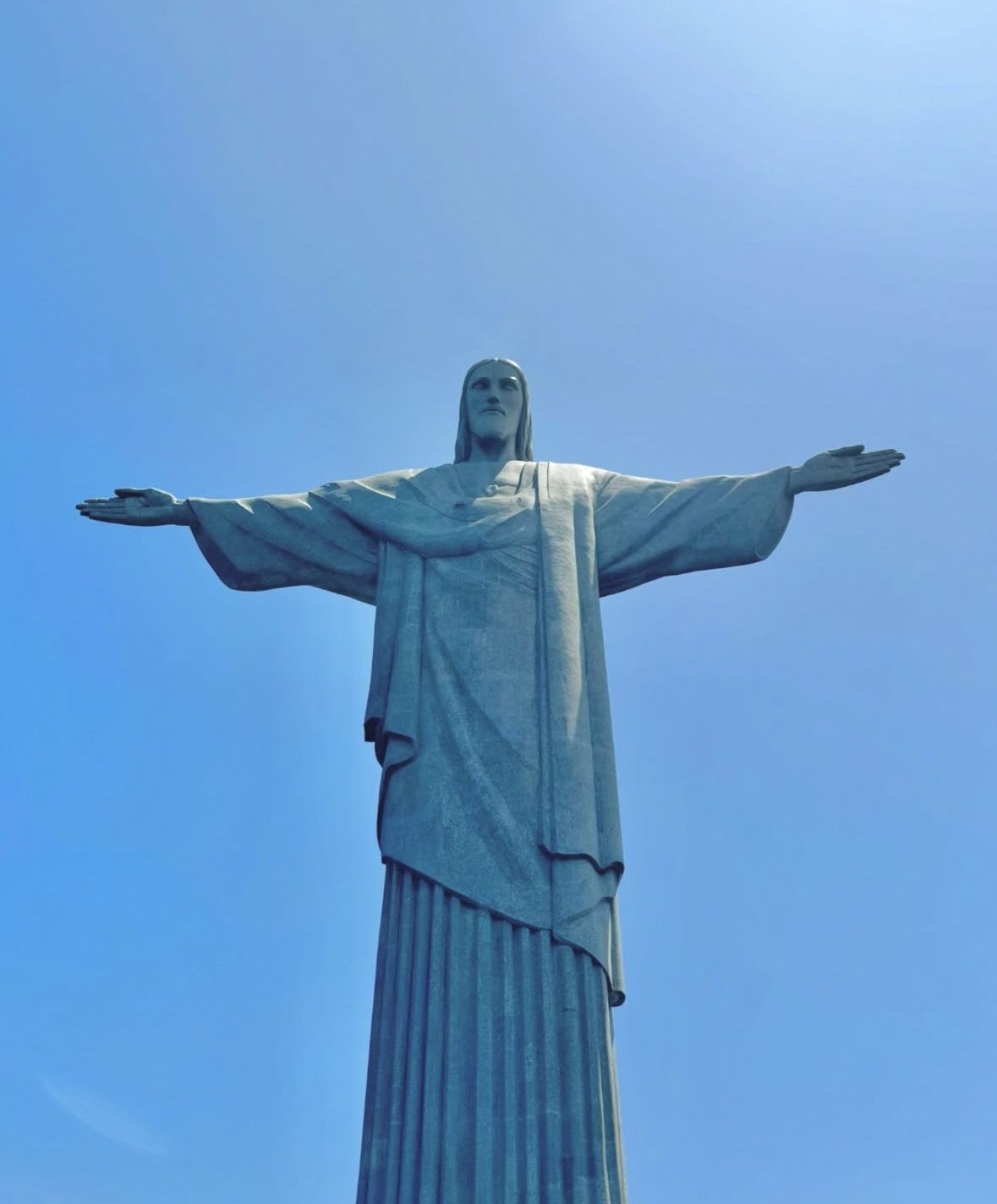
Standing 30 metres tall atop Corcovado Mountain, this colossal Art Deco statue is one of the most recognisable landmarks on earth. Whether you come for the history, the panoramic views, or the sheer spiritual awe, a visit here is truly unforgettable.
Featured Tour
The Best Half Day in Rio with Christ Redeemer and Sugar Loaf Hill is a small-group experience that takes you to the two most celebrated sights in the city. You'll ascend Corcovado to stand beneath the iconic statue, then ride the cable car to the summit of Sugar Loaf Mountain for breathtaking 360-degree views over Guanabara Bay. Transport, a knowledgeable professional guide, and all entrance fees are included, so you can focus entirely on the experience.
About the Destination
Perched 710 metres above sea level in the heart of Tijuca National Park, this landmark offers some of the most spectacular urban scenery anywhere in the world. Rio de Janeiro spreads out beneath it like a living map, framed by ocean, mountains, and jungle.
Corcovado Mountain rises dramatically from the dense Atlantic Forest of Tijuca National Park, one of the largest urban rainforests on the planet. Positioned at an elevation of 710 metres, the summit commands sweeping 360-degree views over Rio de Janeiro, Guanabara Bay, Ipanema and Copacabana beaches, and the unmistakable silhouette of Sugarloaf Mountain. The site sits within the broader Serra da Carioca landscape, a UNESCO World Heritage buffer zone, making the natural setting every bit as impressive as the famous monument crowning it.
The idea of erecting a large religious monument on Corcovado was first floated in the 1850s, but serious planning began in the 1920s. Funded largely by donations from Brazilian Catholics, construction commenced in 1922 and was completed in 1931. French-Polish sculptor Paul Landowski created the distinctive figure, while Brazilian engineer Heitor da Silva Costa oversaw the structural design. Built from reinforced concrete and clad in thousands of triangular soapstone tiles, the statue has withstood decades of tropical storms, lightning strikes, and relentless humidity — standing today as a testament to remarkable early-twentieth-century engineering.
Visitors can reach the summit by the charming Corcovado rack railway, by van, or on foot via forest trails. At the top, escalators and lifts ease the final ascent to the viewing platform surrounding the statue's plinth. A small chapel dedicated to Our Lady of Aparecida sits at the base and hosts regular weddings and religious services. Arriving early in the morning typically offers clearer skies and shorter queues, while sunset visits reward those willing to brave the afternoon crowds with extraordinary golden-hour light bathing the iconic outstretched arms.
The statue weighs approximately 635 metric tonnes, with its reinforced concrete core clad in thousands of hand-placed soapstone tiles. Soapstone was chosen for its durability in Rio's humid, storm-prone climate.
The statue is struck by lightning multiple times each year due to its exposed hilltop position. Restoration teams regularly repair damage to the fingers, head, and outer soapstone cladding after severe storms.
In 2007, the monument was voted one of the New Seven Wonders of the World in a global poll that attracted over 100 million votes. It remains one of Brazil's most potent national symbols.
Construction began in 1922 to coincide with the centenary of Brazilian independence. The Art Deco style was chosen to give the figure a timeless, monumental quality that has aged remarkably well.
A small chapel dedicated to Our Lady of Aparecida was consecrated inside the pedestal in 1934. It holds up to 150 people and hosts hundreds of weddings and baptisms every year.
The Corcovado rack railway has been carrying passengers up the mountain since 1884, making it one of the oldest rack railways in South America. The 20-minute ride winds through lush Atlantic Forest.
Board the historic Trem do Corcovado at Cosme Velho station for a scenic 20-minute journey through dense rainforest. The open-sided carriages offer wonderful canopy-level views before you even reach the summit.
Adventurous visitors can hike the Caminho das Paineiras trail through Tijuca National Park to the summit. The approximately two-hour trek rewards walkers with rich birdlife and breathtaking forest scenery along the way.
The platform at the statue's base offers unobstructed 360-degree sightlines, making it a photographer's dream at any time of day. Golden-hour light at sunrise and sunset creates particularly magical conditions for capturing the views.
The monument sits within Tijuca National Park, the world's largest urban rainforest. Combine your visit with a guided nature walk to spot toucans, monkeys, and countless orchid species thriving in the forest.
Step inside the intimate chapel at the pedestal's base to experience its serene atmosphere. Non-religious visitors are welcome to explore the space, which features beautiful tilework and a peaceful contrast to the crowds outside.
Pair your visit with a full-day guided city tour that combines the summit with Sugarloaf Mountain, Santa Teresa neighbourhood, and Copacabana beach. This is the most popular way for first-time visitors to experience Rio's greatest highlights.
Weigh up the world's most iconic religious and cultural monuments before you decide where to go next.
When planning a bucket-list trip, travellers often find themselves weighing one iconic landmark against another — whether for cost, crowd levels, or the uniqueness of the experience. Christ the Redeemer competes in an elite category of monumental statues and religious landmarks that draw millions each year. This comparison helps you understand what sets each destination apart, so you can decide which one — or which combination — best matches your travel style, budget, and expectations.
| Crowds | Price | Best For | What Sets It Apart | |
|---|---|---|---|---|
| ★ Christ the Redeemer | High, especially midday | Moderate (R$150–R$200+) | History, views & spiritual awe | Art Deco design, jungle setting, 360° city panorama |
| Statue of Liberty, New York | Very High year-round | Moderate (ferry + crown access) | American history & symbolism | Iconic harbour setting; crown access offers unique views |
| Sagrada Família, Barcelona | Extremely High | Moderate–High (€26+) | Architecture & religious art | Gaudí's unfinished masterpiece; extraordinary interior light |
| Spring Temple Buddha, China | Low–Moderate | Low | Scale & Buddhist culture | World's tallest statue at 128 m; remote and less touristed |
While every landmark on this list is extraordinary in its own right, Christ the Redeemer occupies a unique intersection of natural drama, cultural depth, and universal symbolism. No other monument combines an Art Deco masterwork, a UNESCO-listed rainforest, sweeping coastal panoramas, and a city as vibrant as Rio de Janeiro. For sheer emotional impact and photographic spectacle, it is genuinely hard to match.
Travel Guide
Everything you need to plan a seamless, memorable visit to Corcovado Mountain.
Rio de Janeiro's Galeão International Airport (GIG) and Santos Dumont Airport (SDU) both serve the city, with GIG handling most long-haul international flights. From Europe, North America, or elsewhere in South America, you'll fly into GIG, from which a taxi or app-based ride to the city centre takes around 45–60 minutes. Many visitors also arrive by cruise ship into the Port of Rio, which is conveniently close to the city's main attractions.
From central Rio, the easiest route is a taxi or rideshare to Cosme Velho station, where you board the historic Corcovado rack railway. Alternatively, authorised vans depart from Paineiras and drive to the summit. The rack railway is the most atmospheric option and takes approximately 20 minutes through Atlantic Forest. Timed entry tickets must be purchased in advance online, and all visitors must pass through the official ticketing system at Cosme Velho.
The shoulder seasons of April–May and September–October offer the best combination of pleasant weather, thinner crowds, and reasonable prices. These months sit between Rio's intense summer heat (December–March) and the peak school holiday periods. Visibility at the summit tends to be clearest on sunny dry-season mornings, which is when the most spectacular panoramic views reward early risers. Arriving at opening time (08:00) dramatically reduces your wait times regardless of the season.
Rio's tropical climate means rain is possible year-round, but the dry season runs from June to September with lower humidity and more consistent sunshine. The wet season (October–March) brings frequent afternoon thunderstorms and can shroud the summit in thick cloud for hours. Carnival in February brings enormous crowds to the city, while the Christmas and New Year period is similarly busy. Summer temperatures on the mountain can feel intense, so lightweight, breathable clothing is essential.
The summit of Corcovado is exposed and sunny, so sun protection is non-negotiable. Bring a high-SPF sunscreen, UV-blocking sunglasses, and a hat or cap. Comfortable, non-slip footwear is important, especially if you plan to walk any of the forest trails. A light rain jacket or compact poncho is a smart addition year-round, as the mountain's microclimate can produce sudden downpours with very little warning.
Pack light but smart: the summit has limited shade, and you may stand in the sun for extended periods. A small daypack is ideal for carrying water, snacks, and a camera. Brazil's tap water is generally safe in Rio, but bottled water is widely available at the site. If you plan to hike up rather than take the railway, sturdy trail shoes, insect repellent, and a larger water supply become essential additions to your kit.
Book your timed entry tickets well in advance — the official site sells out days or even weeks ahead during peak season. Tickets are sold via the official Trem do Corcovado website and include the rack railway fare. Photography is freely permitted everywhere on the site, but be mindful of other visitors when positioning for shots. The small chapel at the base is an active place of worship; keep voices low and dress modestly if you intend to enter.
Cash (Brazilian Real, BRL) is still useful in Rio's markets and smaller eateries, but cards are widely accepted at the summit's café and shop. Tipping is appreciated but not mandatory; rounding up the bill at restaurants is common local practice. Portuguese is the official language — even a few basic phrases will be warmly received. Be cautious with valuables in crowded tourist areas, and use official taxis or registered rideshare apps rather than unlicensed operators.
No specific vaccinations are mandatory for visiting Rio de Janeiro, but it's wise to be up to date on hepatitis A, typhoid, and routine immunisations. Yellow fever vaccination is recommended if you plan to visit other parts of Brazil, particularly the Amazon region. Consult your GP or a travel health clinic at least six weeks before departure. The mountain environment itself poses no significant altitude sickness risk given its relatively modest elevation of 710 metres.
Rio de Janeiro is a vibrant but complex city — exercise standard urban caution, particularly around crowded tourist sites where pickpocketing can occur. Keep your phone out of sight when not in use and avoid wearing flashy jewellery. The official emergency number in Brazil is 190 for police and 192 for medical emergencies. The summit area is well-staffed with security personnel, and the rack railway and van services are all officially managed, making the route to and from the monument generally very safe.
Explore More
Maximise your time in Rio by combining your visit with these unmissable nearby attractions.

The Skip the Line Christ the Redeemer Admission Ticket is the smartest way to experience one of the world's most celebrated monuments without wasting hours in a queue.
Check this tour →
The Best Half Day in Rio with Christ Redeemer and Sugar Loaf Hill is a small-group experience that takes you to the two most celebrated sights in the city.
Check this tour →
The Christ the Redeemer & Sugarloaf: Rio City Tour with Lunch is the definitive way to experience Rio de Janeiro's most celebrated sights without the stress of planning.
Check this tour →
The Half-Day Tour: Christ the Redeemer, Selarón & Sunset at Sugarloaf is the perfect way to experience Rio de Janeiro's greatest icons in a single, seamlessly guided afternoon.
Check this tour →
The Private Rio Tour: Christ the Redeemer & Sugar Loaf Essentials is the ultimate way to experience Rio de Janeiro without the crowds or rigid group schedules.
Check this tour →
The Two of Rio's Best: Christ the Redeemer & Sugarloaf Mountain Half-Day Tour is the smartest way to experience both of Rio's defining landmarks without wasting a full day.
Check this tour →
The Christ the Redeemer by Van and Selarón Steps experience is the ultimate way to see Rio's most celebrated landmarks in a single, seamless outing.
Check this tour →
The Rio de Janeiro Helicopter Tour - Christ the Redeemer delivers one of the most spectacular aerial experiences in South America.
Check this tour →
The One of a Kind: Corcovado, Christ the Redeemer Tour takes you on a scenic minivan ride through the legendary Tijuca Forest, one of the largest urban rainforests on the planet.
Check this tour →
The Christ the Redeemer, Selaron, Cathedral, Maracana, Sambadrome Half-Day Tour is Rio de Janeiro's ultimate express experience.
Check this tour →
The Rio: Helicopter Tour at Christ the Redeemer - 30 Minutes is your ticket to experiencing one of the world's most iconic landmarks from an entirely new angle.
Check this tour →
The City Tour Full Day in Rio: Christ the Redeemer and Sugar Loaf is the ultimate way to experience everything the Marvelous City has to offer.
Check this tour →Traveler Reviews
Travelers share their unforgettable experiences visiting Christ the Redeemer, one of the world's most iconic landmarks.
"Standing beneath that enormous outstretched figure with all of Rio de Janeiro spread out below was genuinely one of the most moving moments of my life. Our guided tour handled everything seamlessly — transport up Corcovado, skip-the-line access, and a knowledgeable guide who explained the history and symbolism in vivid detail. The early-morning slot meant the crowds were manageable and the light was absolutely golden. I honestly could have stayed up there for hours soaking it all in."
"We visited as a family of five and were completely blown away by the sheer scale of the statue — photos truly do not prepare you for the real thing. The cog railway through the Tijuca rainforest was itself a highlight, with monkeys visible in the canopy along the way. Our guide was passionate and patient with our kids, making the history feel alive rather than like a lecture. This is absolutely the must-do experience in Rio and we'd book the same tour again without hesitation."
"A truly spectacular landmark that deserves every bit of its fame — the panoramic views of Sugarloaf Mountain, Guanabara Bay, and the city skyline are reason enough to make the climb. I knocked off one star only because the summit was quite crowded even with timed-entry tickets, so patience is essential. That said, arriving via the van rather than the train cut our waiting time considerably and I'd recommend that option. The experience as a whole is unforgettable and thoroughly worth planning ahead for."
"I've visited dozens of world wonders and this one genuinely stopped me in my tracks the moment it came into view through the clouds. The Art Deco craftsmanship up close is extraordinary — the soapstone mosaic surface has a texture and warmth you never notice in photographs. Our small-group tour kept the experience intimate and the guide shared fascinating stories about the funding campaign and the decades of planning behind the project. Absolutely a five-star memory."
"The sunrise tour was a revelation — we reached the summit just as the first light broke over the Atlantic and the statue seemed to glow from within. Having it nearly to ourselves for those first thirty minutes before the main crowds arrived felt like an incredible privilege. Our guide was enthusiastic and full of fascinating detail about the construction and the engineers and sculptors who collaborated on it. If you only do one thing in Rio, make it this — and do it at sunrise."
"The sheer drama of emerging from the forest trail and suddenly seeing that colossal figure above you is something I'll never forget. We went on a slightly overcast day and while part of me had hoped for blue skies, the mist swirling around the statue gave it an almost mystical quality that felt equally special. The onsite chapel tucked into the pedestal was a lovely quiet surprise after the bustle on the viewing platforms. I'd suggest booking well in advance as tickets sell out faster than you might expect."
"Our tour guide brought so much context to the visit — learning about the Catholic community's fundraising efforts and the collaboration between Brazilian engineer Heitor da Silva Costa and French sculptor Paul Landowski made us appreciate the monument on an entirely different level. The escalators and lifts inside the pedestal made the summit accessible for our older travel companions, which we greatly appreciated. The views from the platform stretch in every direction across one of the most beautiful cities on earth. Truly unmissable."
"We combined our visit with a broader Rio highlights tour and it was by far the emotional peak of the whole trip. There is something profoundly humbling about standing in the outstretched arms' shadow and realizing how many millions of people from around the world have made this same journey. The guide was warm, funny, and deeply knowledgeable, weaving together history, art, engineering, and faith into a story that kept everyone engaged. I left feeling genuinely moved in a way I hadn't anticipated."
Watch Before You Go
Experience the breathtaking scale and beauty of Corcovado Mountain before you even set foot in Rio.
Location
Cristo Redentor, Parque Nacional da Tijuca, Alto da Boa Vista, Rio de Janeiro, RJ 22241-105, Brazil.
FAQ
Everything you need to know before you visit, from tickets and timing to what to expect once you reach the summit.
Ready to stand in the shadow of one of the world's greatest wonders?
Book Your Tour NowDiscover More
From a bold 1850s dream to a globally recognised wonder unveiled in 1931, the story of this statue spans decades of faith, fundraising, and extraordinary artistic collaboration. Discover how a nation's devotion shaped one of the most photographed landmarks on earth.